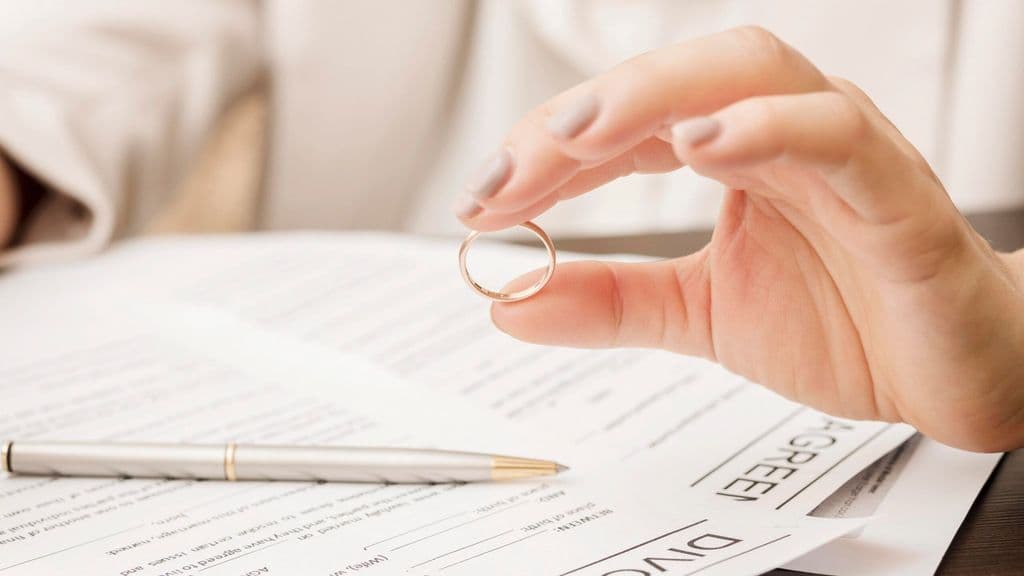
Ending a marriage and property disputes are among the most complex matters in family law. To protect your interests, avoid lengthy court proceedings and minimise risks, it is important to clearly understand the legal mechanisms of divorce and the division of joint property.
1. How to divorce: civil registry office or court?
The choice of divorce procedure depends on two key factors: whether there are minor children and whether both spouses agree.
Out-of-court procedure (through the civil registry office)
The fastest and least costly option.
- Conditions: no joint minor children and a mutual wish to divorce.
- Specifics: the spouses submit a joint application. The divorce is registered one month after the application is filed. If one spouse cannot appear at the registry office on the appointed day for a valid reason, the office may register the divorce on the basis of a notarised application to that effect.
Court procedure
If there is no agreement or the spouses have joint minor children, the divorce takes place only through the court.
- Joint application of the spouses (children, but mutual consent): filed together with a notarised agreement on who the children will live with and how the other parent will take part in their upbringing and support (the amount and procedure for paying alimony).
- Statement of claim (one spouse objects): initiated by a claim from one of the parties. The court considers the case and, where there are grounds, may grant time for reconciliation or rules to dissolve the marriage.
2. How is marital property divided?
As a general rule of the Family Code of Ukraine, all property acquired during the marriage is joint property of the spouses and is divided in equal shares (50/50), unless otherwise provided by a prenuptial agreement, a division agreement or a court decision.
Ways to divide property:
- Voluntary (by agreement): the spouses may conclude a notarised property division agreement or an agreement on allocating shares, in which any proportions can be set by mutual consent.
- Through the court: used when there is a dispute. The court may depart from the principle of equal shares, taking into account the interests of minor children, the parties’ ability to work or other significant circumstances (for example, if one spouse did not contribute to the family’s material support or concealed income).
3. Property that is NOT divided
Not all property received during the marriage is considered joint. The law defines a category of personal private property:
- Acquired before the marriage: any assets purchased before the marriage was officially registered.
- Gifted or inherited: property received during the marriage under a gift agreement or by inheritance.
- Purchased with personal funds: property bought during the marriage with money that belonged to one spouse personally (for example, pre-marital savings or proceeds from selling one’s own property).
- Items for personal use: clothing, footwear, personal gadgets (except valuable jewellery and luxury items).
- Bonuses, awards and insurance payments: received for personal merit or as compensation for moral or physical harm.
Tips for protecting your rights
- Keep track of income sources: keep bank statements and gift or sale agreements for pre-marital property if those funds were spent on joint purchases.
- Aim for an amicable settlement: a notarised agreement saves time and money and spares you exhausting court proceedings.